Gamification – a new trend strongly applied in various fields from marketing, and education to finance, healthcare, etc. By integrating game elements into non-game environments, gamification creatively and effectively enhances user engagement and connection. So, what is gamification? How is it applied? Let's explore in this blog.
What is Gamification?
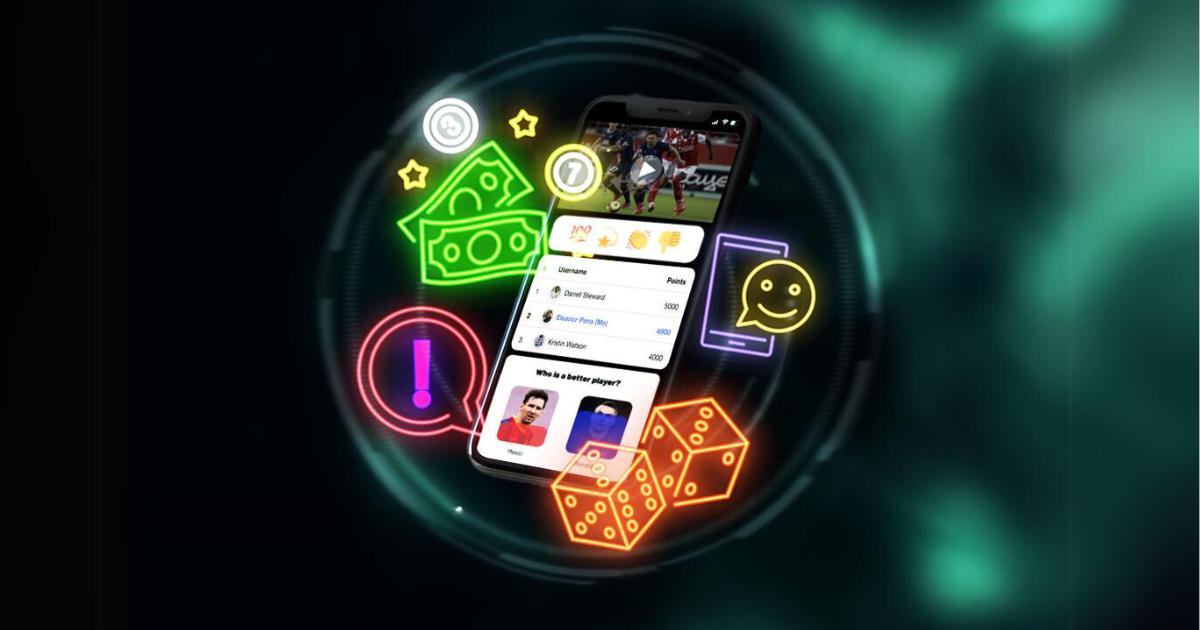
Gamification is the process of integrating game elements and principles into non-game environments such as websites, learning systems, business applications, or company intranets. These elements can include leaderboards, badges, rewards, levels, scores, etc.
Adding these elements encourages users to engage more in activities, creating continuous and natural interaction. Gamification transforms mundane daily tasks into engaging, challenging, and competitive experiences, thus increasing user interest and connection.
What is Gamification?
Examples of Gamification
A prime example of gamification is the interactive games with rewards and discount codes on e-commerce platforms like Shopee and Lazada, aimed at attracting consumers. Gamification appears through loyalty programs, reward points, and special offers for frequent shoppers, encouraging them to keep "playing" and accumulating rewards like coins or vouchers.
In education, gamification creates a lively learning environment with educational games, reward systems, and leaderboards, making students more engaged and improving their learning outcomes. Gamification is also widely applied in healthcare and finance. In healthcare, wellness apps often use leaderboards, daily tasks, or rewards to encourage users to exercise and maintain a healthy lifestyle. In finance, banks and personal finance apps implement reward systems and savings goals, helping users better manage their finances and encouraging saving or investing.

Examples of Gamification
Benefits of Using Gamification
Gamification not only brings excitement but also creates practical value across various fields. Here are three core benefits of applying gamification:
1. Enhanced Engagement
Gamification transforms everyday tasks into engaging experiences through game elements like scores, badges, and leaderboards. This not only encourages users to participate more actively but also motivates them to achieve personal goals. Competition and rewards provide motivation for users to complete tasks and receive recognition for each step of progress.
Moreover, gamification helps build stronger relationships between users and brands. Regular rewards and progress tracking through levels make users feel valued and more deeply connected to the system or brand, enhancing satisfaction and long-term loyalty.
2. Improved Performance and Motivation
Gamification enhances work and personal performance by creating a positive environment. In the workplace, game elements often encourage employees to work more efficiently and achieve goals with better quality. Healthy competition and motivation from rewards create an environment where people feel more engaged and motivated.
3. Encouraged Learning and Skill Development
Gamification also creates an engaging and motivating learning environment, helping learners access knowledge in a more interesting and effective way. Educational games and reward systems not only stimulate curiosity but also keep students focused and enthusiastic about learning. Scoring systems and leaderboards provide immediate feedback, encouraging learners to improve their skills and knowledge.
Additionally, gamification supports the development of important soft skills such as problem-solving, time management, and teamwork. Participating in structured games or tasks helps users learn how to face challenges, plan, and collaborate with others to achieve common goals.

Benefits of Using Gamification
How to Apply Gamification Effectively
Before implementing gamification, it’s important to honestly assess the quality of your content and platform. Gamification is only effective if it enhances the user experience, making activities more enjoyable and engaging more participants.
Additionally, gamification should be viewed as a long-term strategy, not just a short-term campaign. You need to establish a specific timeframe for participants to experience and grow with the gamified system. This requires careful preparation to ensure game elements are effective and keep users coming back over the long term.
After implementation, measuring the effectiveness of gamification is crucial. Clearly define your business goals and evaluate whether the game elements are helping you achieve them. Monitor results and be prepared to make improvements to enhance the experience, ensuring that gamification genuinely contributes to the growth of your business.
Follow HR1Tech to explore more interesting articles!